
Learning guide
Rummy discard pile tracking practice
Watch every open-deck discard — dead cards you hold become safer discards; hot ranks opponents pick signal their melds.
Direct answer: Discard pile tracking means mentally logging cards thrown to the open deck — especially middle ranks and jokers — so you avoid feeding opponents and know when your deadwood is safe to discard.
1. What to track each turn
- Every opponent discard rank and suit
- Open picks — who took which visible card
- Repeated discards of one rank — likely dead for sets
- Related: discard observation
2. Practice drill — three-round memory
- Round 1: note last 3 open discards only
- Round 2: note last 5 + who picked from open
- Round 3: flag "hot" ranks never discarded twice
Tracking facts
- Open deck
- Full discard history visible
- Safe discard test
- Rank not picked in 2+ rounds
- Turn basics
- Draw-discard rules
- Mistakes
- Common errors
3. Apply tracking to picks
- Pick open only when top card fits your meld plan
- Otherwise closed draw hides intent — compare decks
- Quiz turns — turn practice quiz

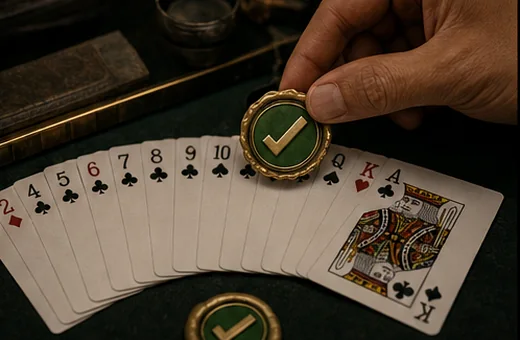
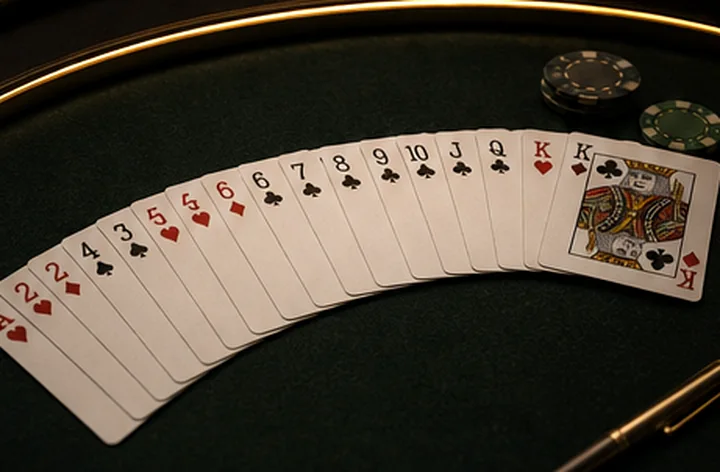
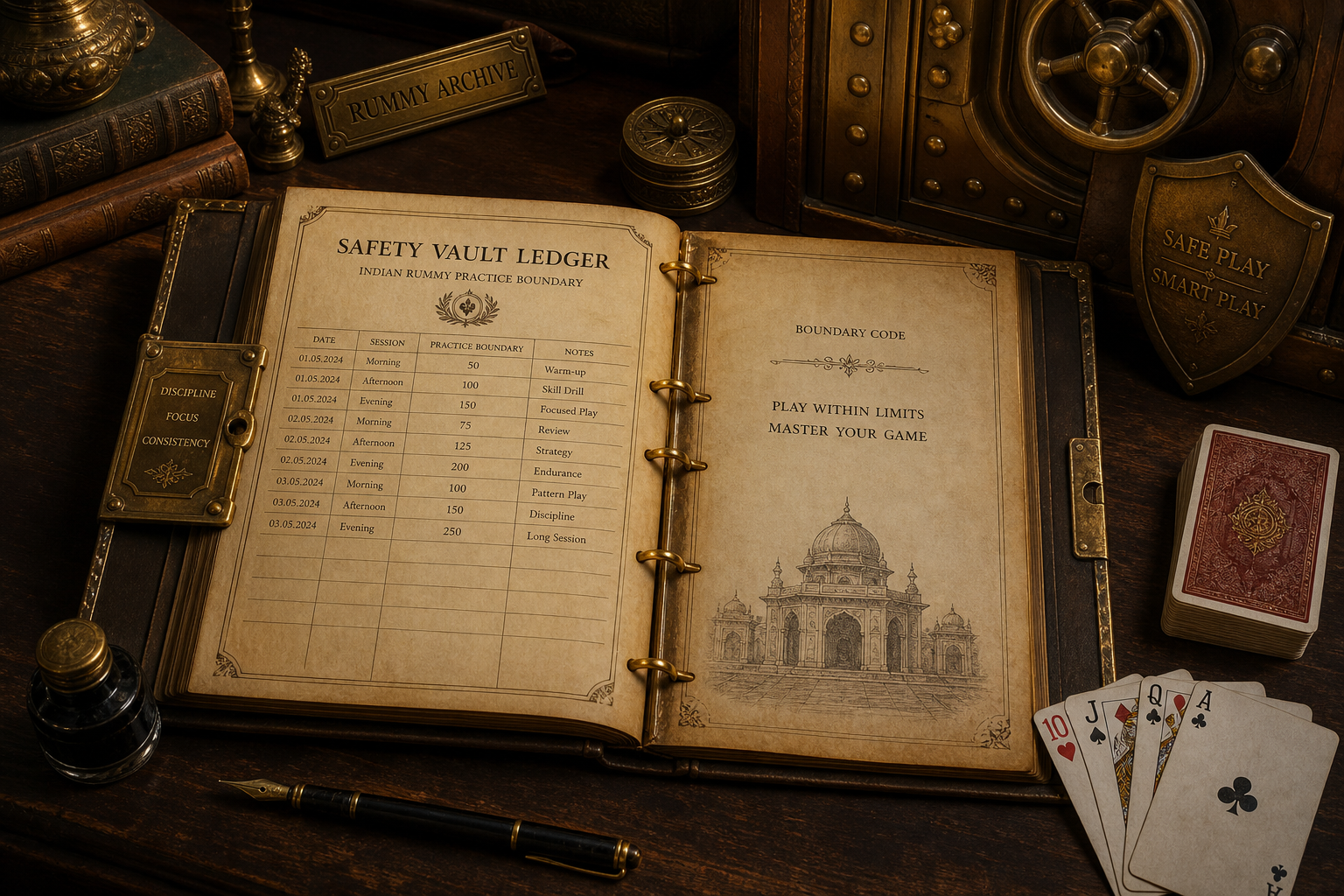
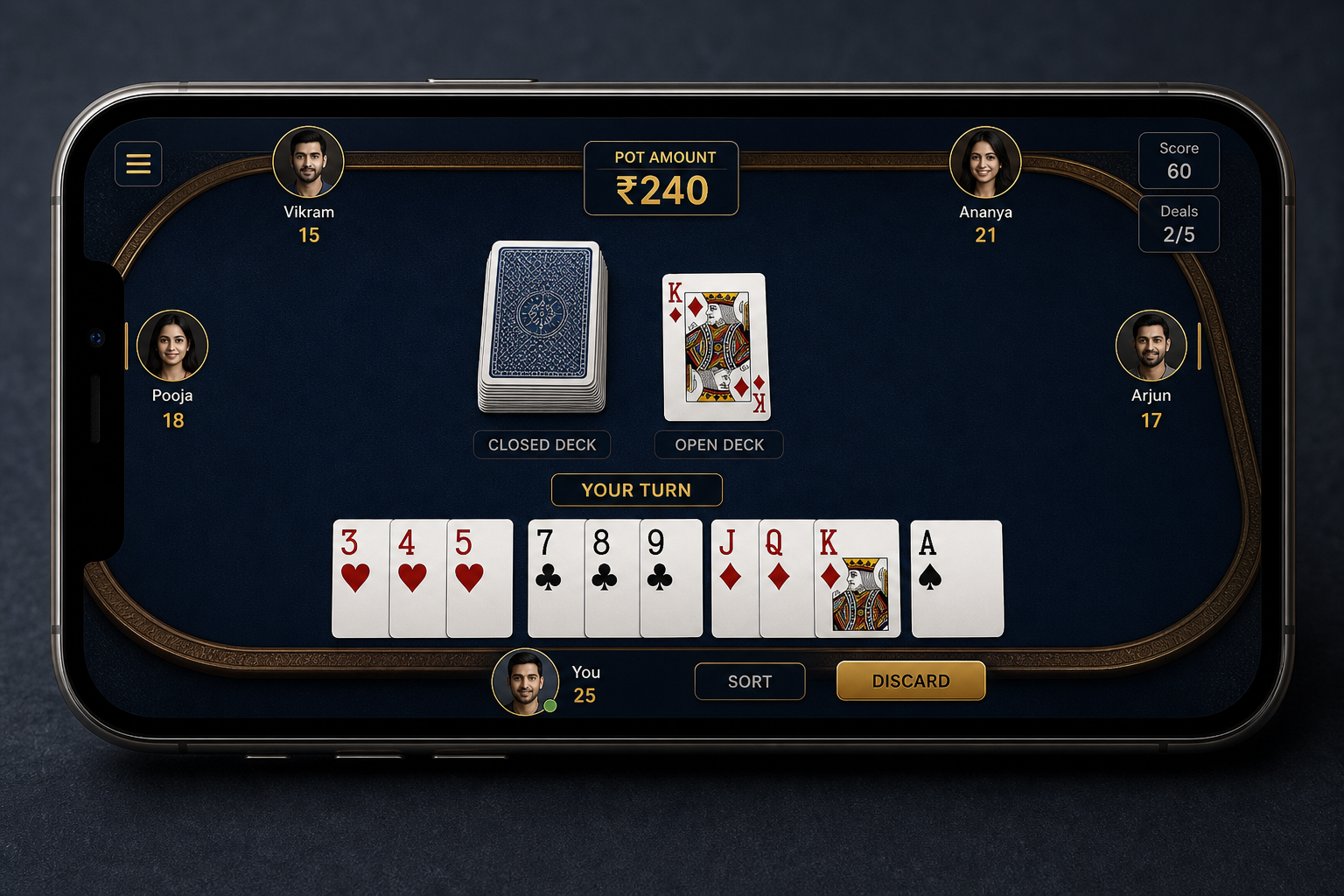
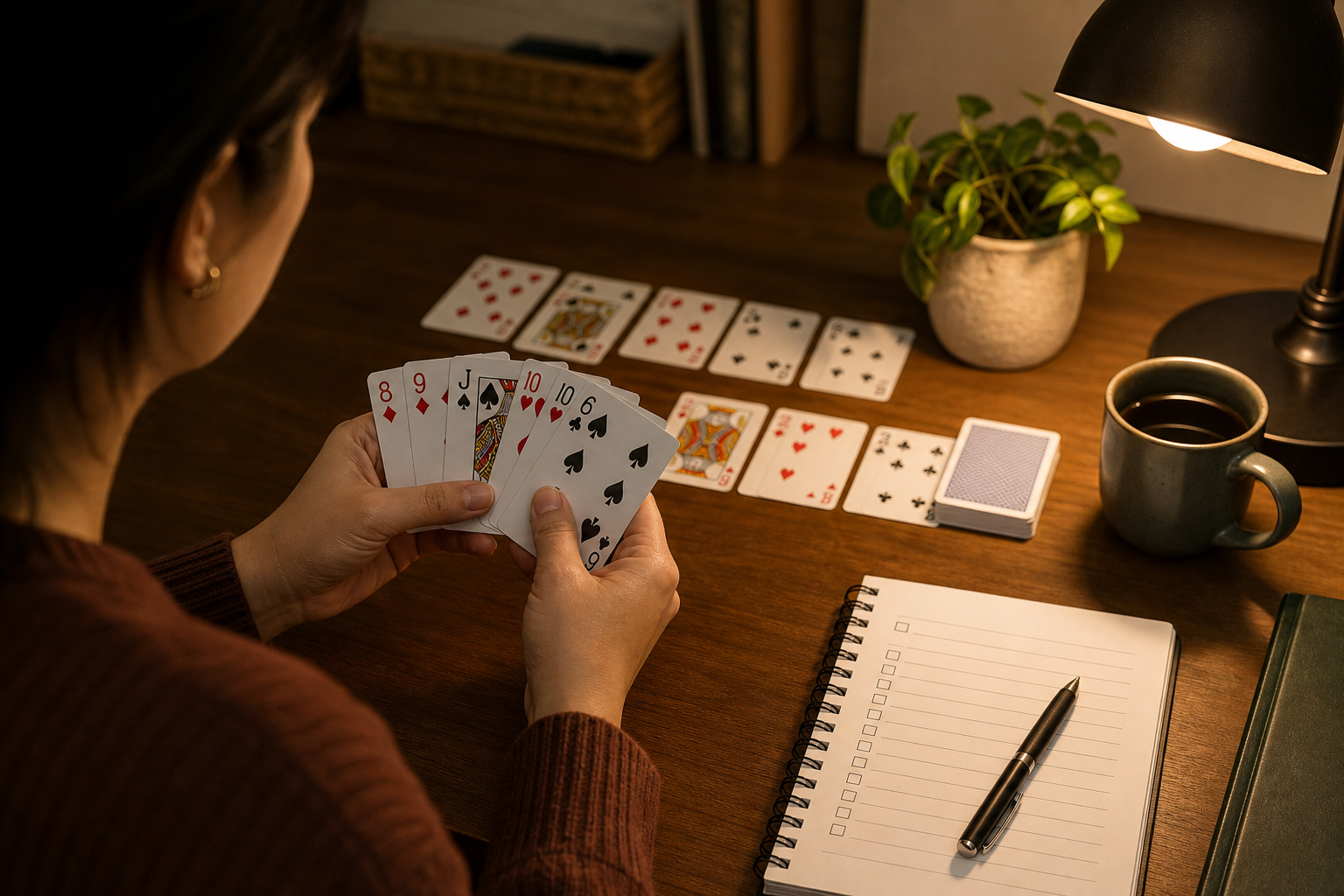
Practice Rummy discard pile tracking practice at home
Run three slow practice deals before any cash table. After each draw, rearrange cards into pure sequence, second sequence, and sets without rushing the finish button. Focus on common myths, discard reads and realistic practice habits so declare timing stays calm instead of reactive.
When you believe the hand is valid, pause for a five-second checklist: count cards, confirm the pure run has no joker, and verify every rank sits in a legal meld. Only then tap declare. If validation fails, note which group broke and replay the same board in free mode until the pattern sticks.
For family practice nights, use virtual points only and let one player call “declare audit” before anyone finishes. That habit mirrors live-table pressure while keeping the room social and low stakes — no cash promises or guaranteed-win talk.
FAQ
Do beginners need tracking?
Start with last 3 discards — build memory over sessions.
Can apps show discard history?
Many show open pile — use it instead of pure memory when learning.
