13-card Indian Rummy learning desk
Learn 13-Card Indian Rummy, One Valid Group at a Time
A valid 13-card Indian Rummy declaration needs at least two sequences, including one pure sequence made without a joker acting as a substitute. Group every remaining card into a valid sequence or set, discard the 14th card, then declare.
For adults learning through free social practice. No cash-win, withdrawal, or guaranteed-result claims.

Beginner learning path
Answer the six questions that decide a declaration
These pages match the order in which new players usually inspect a 13-card hand: rules first, then sequences, sets, declaration and points.
Physical-card proof
Readable examples, not decorative card stickers
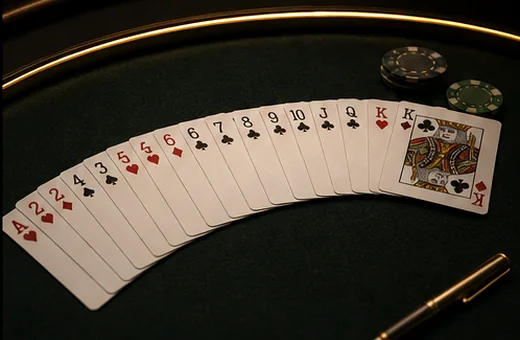
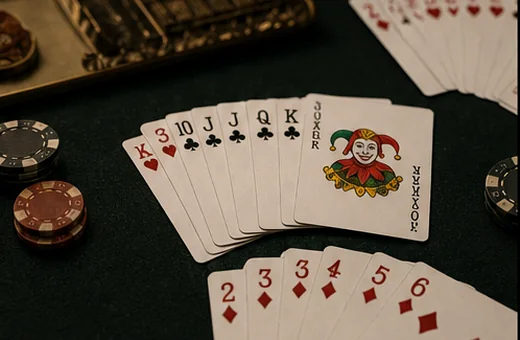
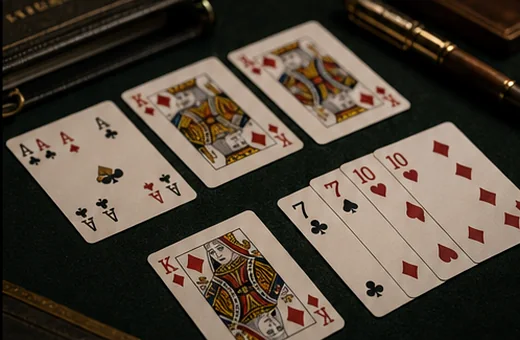
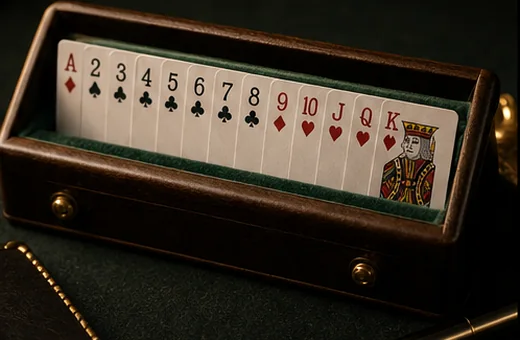
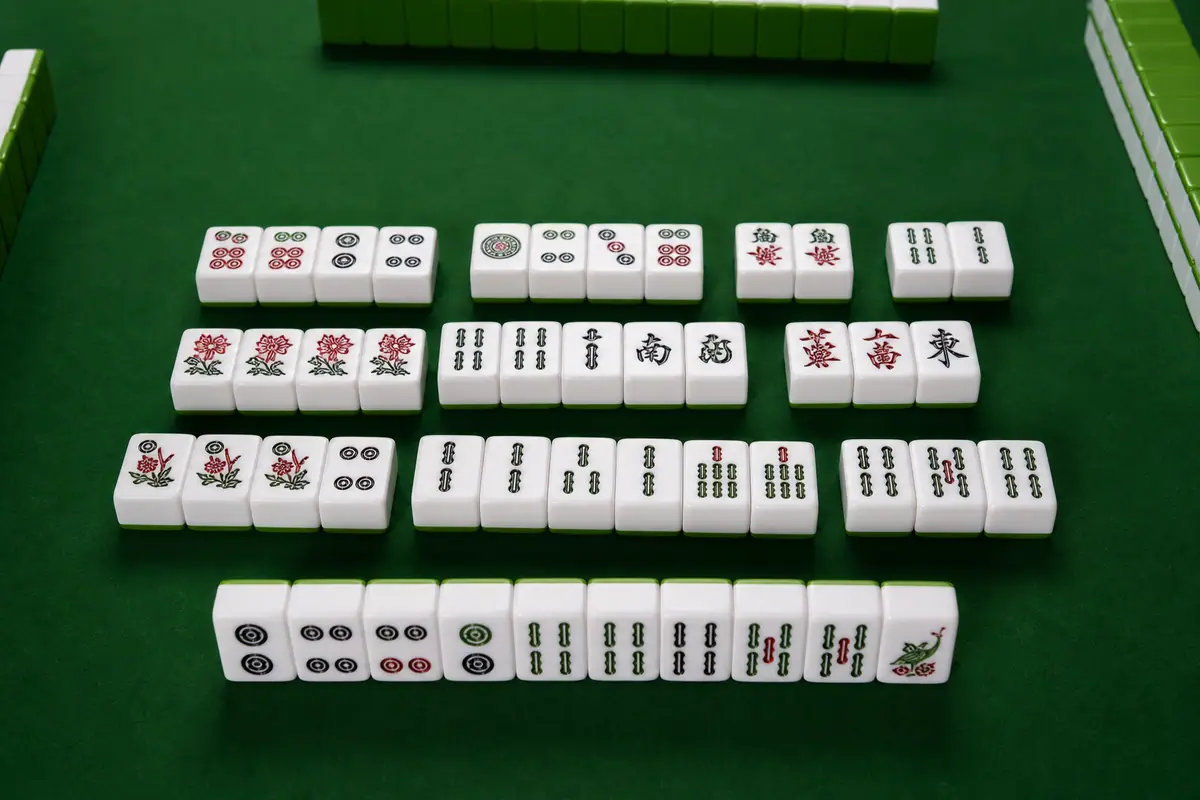
Use the full-width scenes to compare suit, rank and group order before opening the detailed rule page.

Long-tail rule questions
Fast answers for the edge cases beginners search next
Practice without pressure
Use a seven-day learning loop
Learn one rule, build one physical example, then test it in free social mode. Keep the pure sequence visible first and review any rejected group before the next hand.
Optional practice tool
Practise only after the rule is clear
Use an optional free-social practice file only after you can explain the pure-sequence and declaration checks yourself. Verify its publisher-owned source, package, signature, checksum, permissions and local rules before installing.
Sequence desk image set
Dark felt, gold verification cues and realistic Indian Rummy card groups support the rule lesson on this page.