Sequence rule
Can the second sequence also be pure in Indian Rummy?
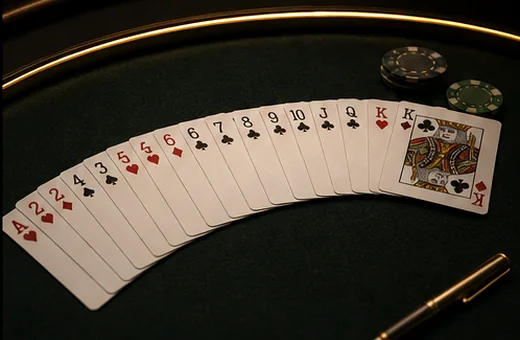
“At least one pure sequence” is a minimum condition, not a limit on how many natural runs a hand may contain.
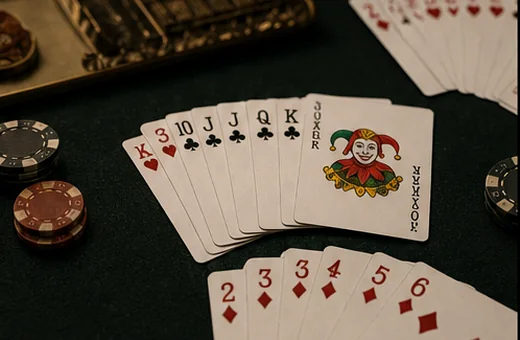
Direct answer: Yes. In the commonly published 13-card rules, your second required sequence may also be pure. A valid hand can contain two or more joker-free same-suit runs. The usual declaration condition is at least two sequences in total, with at least one pure; the remaining cards must also form valid sequences or sets.
Two valid sequence patterns
| First sequence | Second sequence | Result |
|---|---|---|
| 4♥ 5♥ 6♥ | 9♣ 10♣ J♣ | Both pure |
| 4♥ 5♥ 6♥ | 9♣ Joker J♣ | Pure + impure |
What still has to be checked
- Keep every sequence in one suit.
- Use three or more cards in each run.
- Do not count a joker-assisted run as pure.
- Place every remaining card in another legal run or set before declaring.
Two pure sequences can make a hand easier to verify because neither relies on the selected wild rank or a printed joker. They do not, however, rescue loose cards elsewhere in the hand.
Worked 13-card declaration
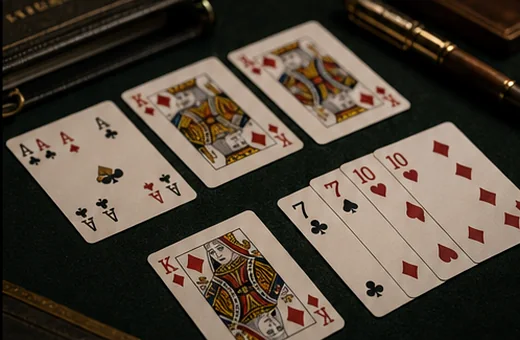
Consider 4♥-5♥-6♥, 9♣-10♣-J♣, 2♦-2♣-2♠ and 7♠-8♠-9♠-10♠. The first, second and fourth groups are pure sequences, while the three twos form a set. All thirteen cards are used once, so the hand does not become invalid merely because more than one sequence is pure.
Invalid look-alikes
- 4♥-5♥-Joker: useful as an impure run when the joker stands for 6♥, but not a second pure sequence.
- 9♣-10♦-J♣: ranks are consecutive, yet mixed suits make the proposed sequence invalid.
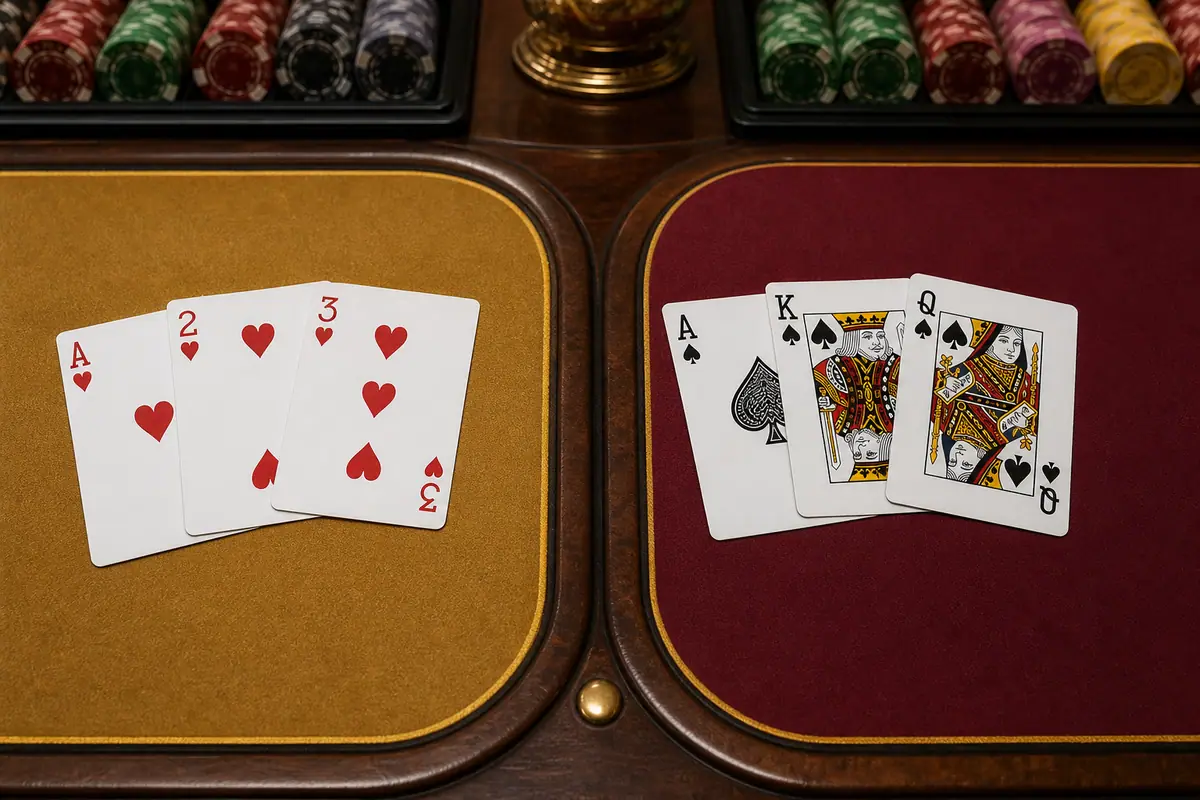
- Q♠-K♠-A♠: often allowed, but the table’s ace rule must confirm it.
- K♠-A♠-2♠: commonly invalid because a sequence does not wrap around.
How to choose between a pure and impure option
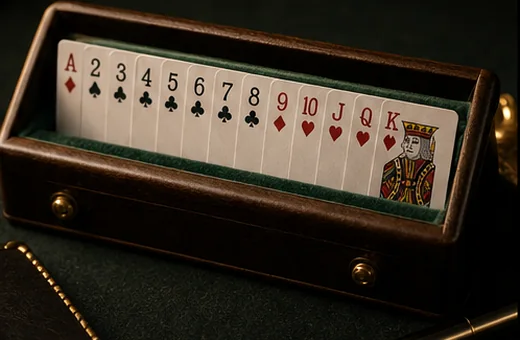
If the same cards can be rearranged, keep a complete natural run intact before spending a joker. For example, with 6♦-7♦-8♦ plus a joker, leave the three natural cards together and place the joker where it completes another legal group. This preserves proof of the compulsory pure sequence and reduces declaration ambiguity.
At the final check, label each group by its actual composition rather than by what you intended to build. A run containing a substitute is impure even when the substituted rank would have made a natural run.
Also count the full hand after choosing the two sequences. A correct pair of runs is only part of a declaration: every remaining card must be assigned once to another valid sequence or set.
Source and rule boundary
PlayRummy’s rules describe the second run as pure or non-pure. Pagat’s Indian Rummy overview also describes the required straight/run structure. Always follow the displayed table rules if an app uses different labels.