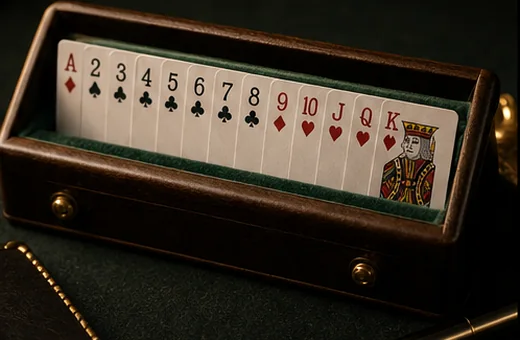
Scoring guide
Indian Rummy card points explained
Ungrouped cards cost face value — face cards and tens count 10, number cards count pip value, jokers usually zero when grouped.
- Indian Rummy card points explained India
- Indian Rummy card points explained 2026
Direct answer: In Indian Rummy points rummy, only unmatched (deadwood) cards count against losers when an opponent declares. Ace, King, Queen, and Jack each score 10 points; cards 2–10 score their pip value; grouped meld cards score zero. Most tables cap a single hand at 80 points maximum.
1. Standard card values
- A, K, Q, J → 10 points each when ungrouped
- 2 through 10 → face value (e.g. 7 = 7 points)
- Jokers grouped in melds → 0 — joker points
2. When points apply
- Winner valid declare → 0 points on perfect hand
- Loser → sum of deadwood only
- Invalid declare → wrong-show cap — penalty guide
Point chart
- A, K, Q, J
- 10 points (deadwood)
- 2 – 10
- Face value
- Grouped meld cards
- 0 points
- Hand cap
- 80 typical maximum
- Calculate deadwood
- Unmatched guide
3. Example loser total
Deadwood: K♠ (10) + 9♥ (9) + 4♦ (4) = 23 points paid to winner. Use score calculator walkthrough for more examples.
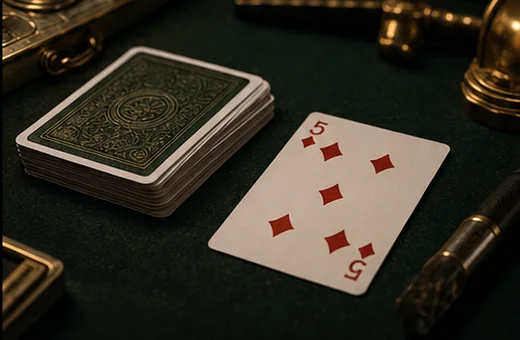
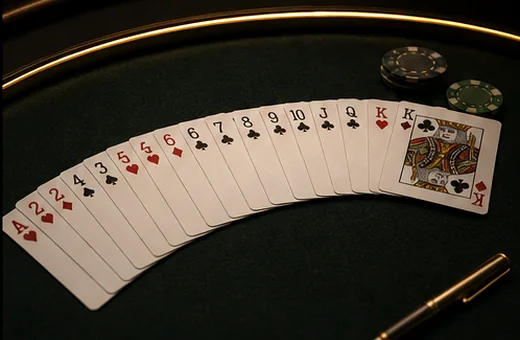
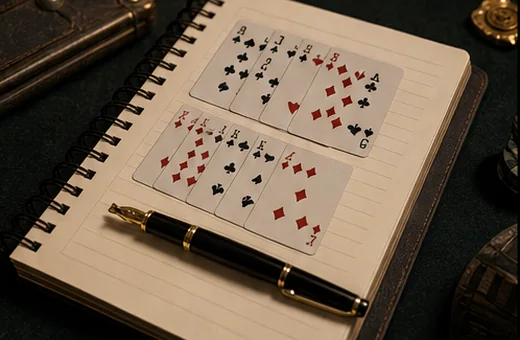
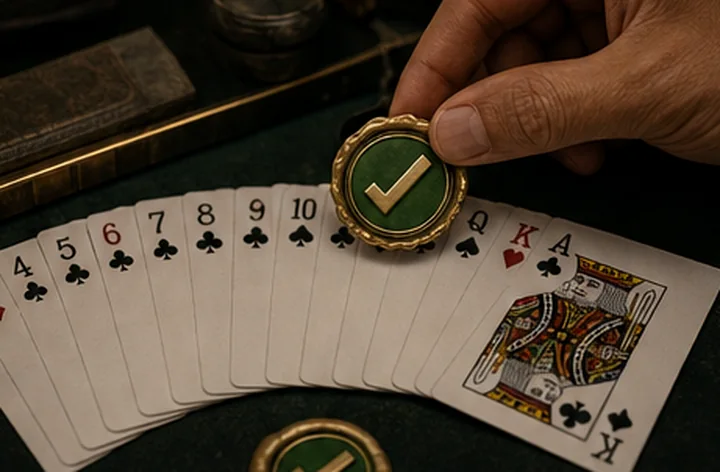
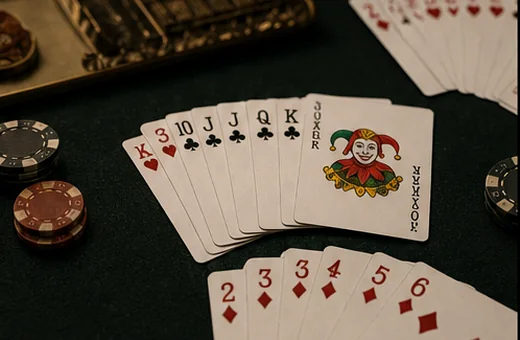
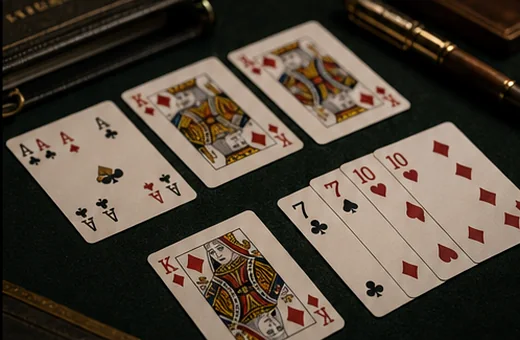

Practice Indian Rummy card points explained at home
Run three slow practice deals before any cash table. After each draw, rearrange cards into pure sequence, second sequence, and sets without rushing the finish button. Focus on single-deal points math, rupee rates and drop penalties so declare timing stays calm instead of reactive.
When you believe the hand is valid, pause for a five-second checklist: count cards, confirm the pure run has no joker, and verify every rank sits in a legal meld. Only then tap declare. If validation fails, note which group broke and replay the same board in free mode until the pattern sticks.
For family practice nights, use virtual points only and let one player call “declare audit” before anyone finishes. That habit mirrors live-table pressure while keeping the room social and low stakes — no cash promises or guaranteed-win talk.
FAQ
Do grouped cards count?
No — only unmatched deadwood counts at settlement.
Is Ace always 10?
In points rummy yes when ungrouped; some variants differ — confirm lobby.
Drop points?
Fixed penalties — first drop, middle drop.
Sequence desk image set
Dark felt, gold verification cues and realistic Indian Rummy card groups support the rule lesson on this page.